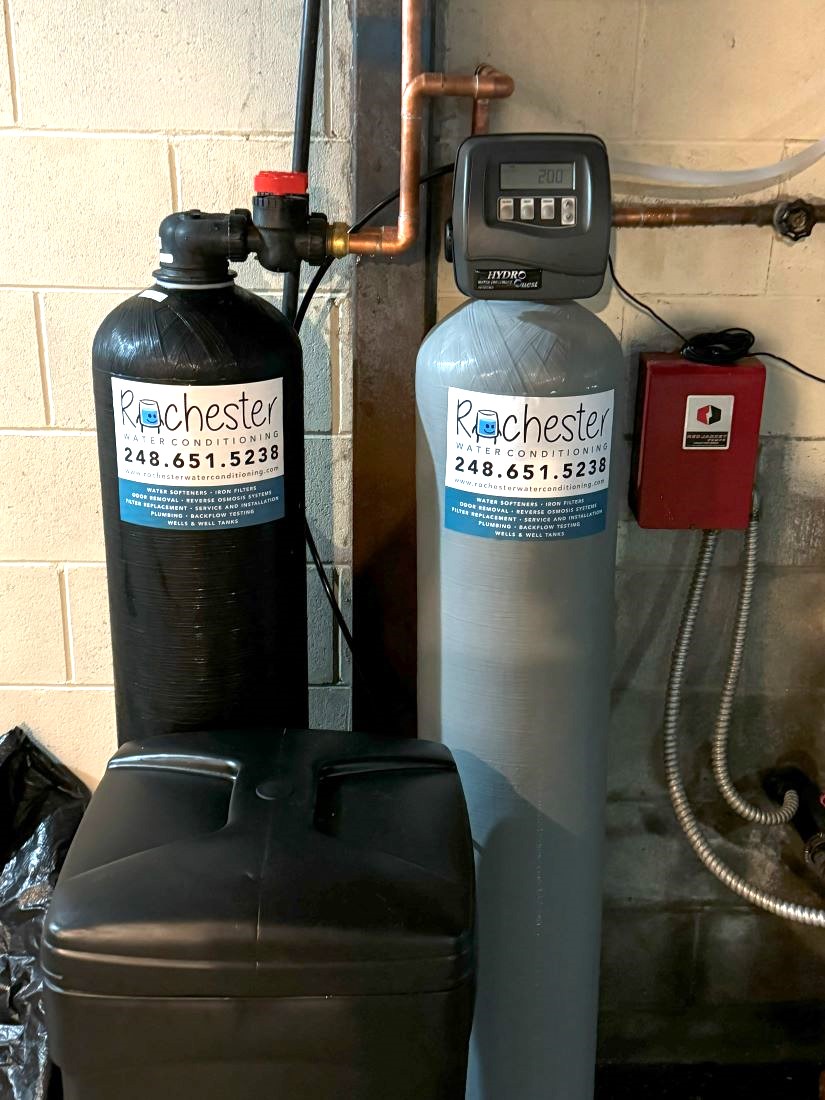
Water Filtration & Purification
Oxford Water Conditioning

Water Filtration Guided by Testing
Choose a Filter for the Water You Actually Have
Filtration works best when it targets a defined problem. Well water may contain sediment, iron, manganese, odor-causing compounds, or other constituents, while municipal water can present different taste and treatment concerns. Oxford Water Conditioning uses observations and appropriate testing to identify the issue before selecting equipment.
- Water Filters
- Iron Filters
- Arsenic Filters
- Chlorine Filters
Arsenic Treatment Starts with a Laboratory Result
Confirm the Level, Then Design the System
Arsenic can occur naturally in groundwater and cannot be identified by taste, smell, or appearance. A certified laboratory analysis is the right starting point. If arsenic is detected, treatment design depends on the reported form and concentration as well as the rest of the water chemistry.
Arsenic-reduction equipment requires correct sizing, compatible pretreatment, and ongoing monitoring. We can help interpret the laboratory report, explain applicable treatment approaches, and build a maintenance and follow-up testing plan around the selected system.
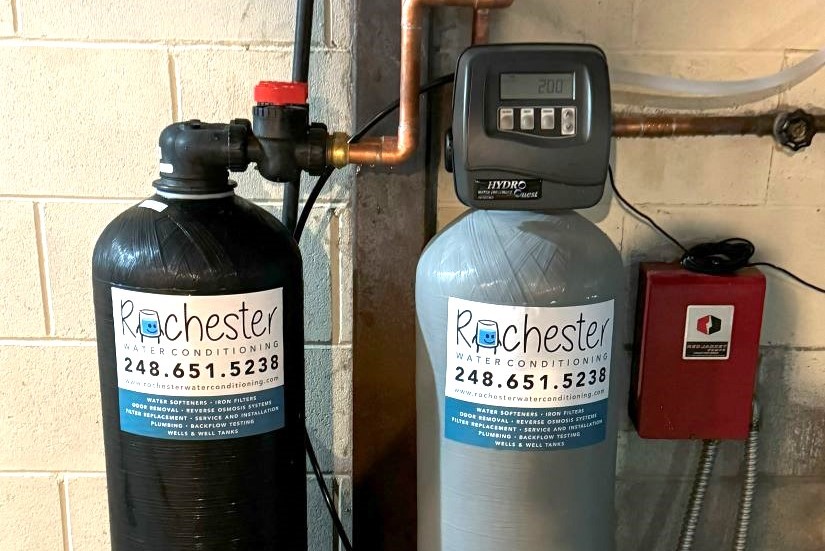
Chlorine Reduction for Taste and Odor
Carbon Filtration Where It Makes Sense
Municipal systems commonly use chlorine or chloramine for disinfection. Some households notice a pool-like odor or prefer to reduce disinfectant taste at selected taps or throughout the home. Activated carbon is often used for this purpose, but media type and contact time must match the treatment goal.
A filter should be chosen with the disinfectant type, flow demand, plumbing layout, and replacement schedule in mind. We explain what the equipment is designed to reduce and what maintenance it will require, without treating a normal disinfectant residual as a one-size-fits-all problem.
Discuss Testing and Treatment Options
Tell Oxford Water Conditioning what you notice and whether the property uses well or municipal water. We can recommend appropriate testing and explain filtration choices based on the results and your priorities.
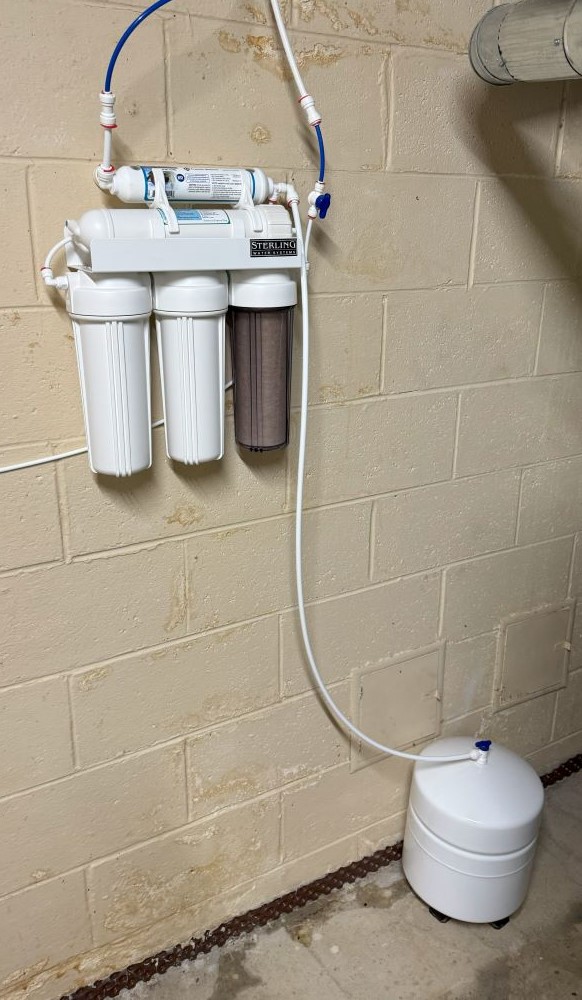
Well Water Filtration
Start with the Symptom and the Source
Cloudiness, staining, sediment, metallic taste, and odor can have different causes. Testing and a site review help distinguish nuisance conditions from concerns that require certified laboratory analysis. A targeted system is easier to maintain and more predictable than a filter selected by guesswork.
Match the Equipment to the Chemistry
Some filters are designed for a narrow task, such as sediment capture or iron reduction. Others combine stages to address several conditions. Flow rate, contaminant level, pH, existing equipment, and maintenance access all affect the right design.
Professional Installation and a Clear Care Plan
We install filtration systems with attention to plumbing layout, service access, drainage, and expected demand. After setup, we review operating expectations, filter or media replacement, and the signs that should trigger service or retesting.
Filtration for Changing Water Conditions
Review Performance Over Time
Water conditions and household demand can change. Periodic observation, timely cartridge or media service, and follow-up testing where appropriate help confirm that the system continues to address the original concern.
Avoid One-Size-Fits-All Treatment
A filter advertised for one contaminant may not perform as expected when other water characteristics interfere. We consider the full water profile and explain whether pretreatment, a different technology, or no additional equipment is the sensible choice.
Bring Us Your Water Questions
Share the test results, symptoms, and equipment history you already have. Oxford Water Conditioning can help organize the next step, from focused testing to installation or service.